My Neighbor's Child Is Loud: What Are My Rights as the Disturbed Party?
Honestly, for ordinary daytime noise from a neighbor's child, playing, running, occasional screaming, you have very little legal recourse, and German courts have said so consistently and bluntly. What you do have are two narrower, real levers. First, a direct injunction claim (Unterlassungsanspruch) against the disturbing neighbor, based on § 1004 BGB in combination with § 906 BGB, but only once the noise genuinely exceeds ordinary residential tolerance, not merely annoys you, courts have specifically pointed to patterns like screaming and running well past quiet hours as the kind of thing this actually covers. Second, a rent reduction against your own landlord if they fail to act on a documented, genuinely excessive disturbance, though courts reject this route for ordinary child noise almost every time. Where you have the most real standing is during quiet hours, 22:00 to 6:00 nationwide, loud, avoidable noise during that window isn't something you're expected to simply tolerate, even when it comes from children.
The Official Rule
It’s worth starting with the part of this that isn’t encouraging, because getting your expectations right from the outset saves a lot of wasted effort. German courts, repeatedly and without much ambiguity, treat ordinary noise from a neighbor’s child as something you’re expected to tolerate as part of living in a multi-family building. This isn’t a loophole or an oversight, it reflects a deliberate legal position that families with children are a normal, protected part of residential life.
That said, “essentially no recourse” isn’t the same as “no recourse at all,” and there are two genuinely real levers worth understanding. The first is a direct injunction claim, an Unterlassungsanspruch, against the disturbing neighbor. This is based on § 1004 BGB read together with § 906 BGB, the provision governing what a property’s use can subject a neighboring property to. Crucially, this doesn’t require you to go through your landlord first, you can pursue it directly. But it only becomes viable once the noise genuinely crosses from ordinary childhood sound into a documented pattern that exceeds normal tolerance, not simply because it bothers you.
The second lever is a rent reduction (Mietminderung) against your own landlord, if they fail to act once you’ve properly notified them of a genuinely excessive, documented disturbance. Here, too, honesty matters: courts consistently reject Mietminderung claims built on ordinary child noise, the same “socially adequate” standard that protects the noisy family from eviction also tends to defeat your reduction claim, unless the disturbance is documented as genuinely extreme.
| Situation | Realistic legal standing |
|---|---|
| Ordinary daytime running, playing, occasional screaming | Essentially none, this is protected as socially adequate |
| Loud, avoidable noise specifically during quiet hours (22:00-6:00) | Real standing, this isn't something you have to tolerate just because children are involved |
| A baby or toddler crying, even at night | None, this has its own separate, even stronger protection |
| Documented pattern of screaming, hallway scooters, disregard for repeated requests | Real standing for an injunction, once the pattern is genuinely established |
Where you have the most genuine standing, even against children’s noise specifically, is during quiet hours. The nationwide convention runs 22:00 to 6:00 at night, and loud, avoidable disturbance, stomping, shouting, running well beyond room volume, during that window isn’t automatically excused just because children are the source. This is a real, meaningfully different threshold from daytime noise, and it’s the one area where documenting a pattern is genuinely worth your time even for a family whose daytime noise you’d otherwise have no case against.
What Real People Say
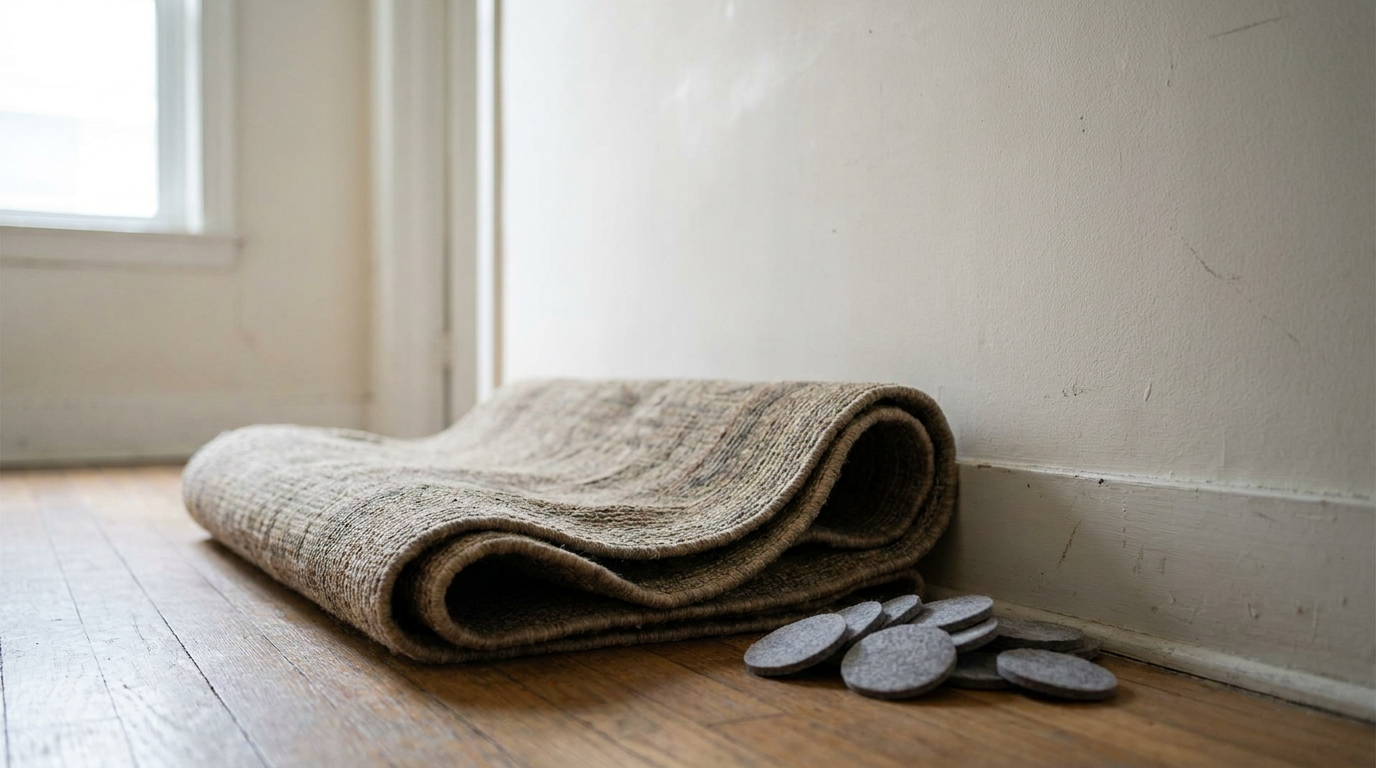
A real thread on urbia.de, started by someone genuinely worn down by constant noise from the family upstairs, is a useful reality check on how these situations tend to actually resolve. Most responses were blunt: ordinary child noise has to be tolerated, and it’s part of living in a shared building. The practical suggestions that came up, a friendly conversation, asking about rugs or carpets to dampen impact noise, treating the landlord as a later step rather than a first move, reflect what actually tends to help versus what escalates things without changing the outcome.
One point worth flagging specifically: when the original poster considered involving Jugendamt (child protective services) purely over noise frustration, other parents in the thread pushed back sharply, pointing out that child welfare services exist for genuine safety concerns, not as a pressure tactic against a noisy family. Legal explainer content on YouTube covering “what can you actually do about a loud neighbor” reinforces the same practical order: informal conversation first, documentation running the whole time, formal legal steps reserved for a pattern that’s genuinely, provably beyond ordinary.
Step by Step
- Start with a genuinely friendly, non-confrontational conversation, most people don’t realize how disruptive their situation sounds from the other side of a thin wall or floor.
- Keep a Lärmprotokoll from the first incident you consider significant, date, time, duration, and nature, this is the foundation for everything that follows if things don’t improve.
- Distinguish quiet hours from daytime noise in your own expectations, your realistic standing is genuinely different for the two, and knowing this early saves frustration later.
- If it continues, raise it with your own landlord in writing, this preserves a potential rent-reduction argument and puts a documented request on record.
- Only consider a direct injunction claim once you have a genuinely documented, persistent pattern, not after a single loud afternoon, and expect to need real evidence, not just your own account.
- Never use Jugendamt as a noise-pressure tactic, it’s reserved for genuine child welfare concerns, and misusing it can backfire on your own credibility.
Compliance Note
This page explains the general legal framework for a disturbed neighbor’s rights against child noise under German tenancy law, but this is not legal advice, and outcomes depend heavily on documented facts. For your specific situation, consult a Mietrecht attorney or your local Mieterverein.
FAQ & Common Pitfalls
Can I sue my neighbor directly, or do I have to go through my landlord?
You can actually do both, and in serious cases doing them in parallel tends to work better than either alone. A direct injunction claim (Unterlassungsanspruch) against the disturbing neighbor is based on § 1004 BGB read together with § 906 BGB, and doesn't require routing everything through your landlord first. Separately, you can also raise a rent reduction claim against your own landlord if they fail to act once you've properly notified them of a genuinely excessive, documented disturbance. The two aren't mutually exclusive, but both require the same underlying threshold: noise that genuinely exceeds ordinary tolerance, not mere annoyance.
What actually counts as noise that 'exceeds normal tolerance' rather than just being annoying?
This is exactly where most disturbed neighbors overestimate their case, and it's worth being honest about. Courts look for a documented pattern well beyond what's inherent to children playing, screaming continuing well past quiet hours, constant hallway activity like scooters or jump rope, a general disregard for repeated requests to quiet down. A Munich case (covered in more detail on this site's lease termination page) involved exactly this kind of pattern before a court intervened, ordinary running and playing during the day essentially never meets this bar on its own.
Is there any point in keeping a noise log if I probably don't have a strong case?
Yes, genuinely, because a Lärmprotokoll is what turns a vague sense of being disturbed into evidence a court, or even just your landlord, can actually weigh. Log the date, time, duration, and specific nature of each incident. If things ever escalate to a serious dispute, this is the foundation everything else, witness statements, potential expert measurements, rests on. It costs you nothing to keep one from the first incident, and you can't reconstruct it credibly later if you don't.
Should I report a neighbor to the Jugendamt if their kids are constantly loud?
No, and this is worth being direct about. Real forum discussions among parents on this exact question consistently and sharply push back on this idea, child protective services exist for genuine welfare concerns, not for noise annoyance, and using that channel as a pressure tactic is both misdirected and likely to backfire on your credibility if you do have a legitimate, separate complaint later. If the noise is genuinely just noise, the paths available to you are the ones covered in this guide, not youth services.
What's actually realistic to expect if the noise really is unbearable and my legal options are limited?
It's worth being honest that sometimes the practical answer isn't a legal one. Suggesting a rug or carpet to the upstairs family, having a genuinely friendly, non-confrontational conversation, and in truly persistent cases, weighing whether a different apartment is the more realistic fix than pursuing a legal claim you're statistically unlikely to win, these come up repeatedly in real accounts from people who've been in this exact position. That's not a satisfying answer if you're exhausted, but it's a more honest one than promising a legal remedy the case law doesn't actually support for ordinary child noise.