Bringing Your Car From Outside the EU? Expect an Extra Inspection Step
A car imported from within the EU usually comes with a COC (Certificate of Conformity), and that single document is generally enough to move straight to registration. A car from outside the EU, the US, Japan, Switzerland, and similar, doesn't have a COC at all, which means it always requires an Einzelabnahme, an individual technical inspection under § 21 StVZO, performed by an officially recognized inspector: TÜV, DEKRA, GTÜ, or KÜS. This isn't a routine roadworthiness check, it's a full technical review confirming the vehicle actually meets German safety and construction standards, and it requires real documentation on your end, the vehicle's registration papers, any existing inspection reports, and technical documentation you may need to specifically request from the manufacturer. Costs vary with complexity, simpler modification-only cases can run as low as 50 to 500 euros, but a full import vehicle without any COC at all typically runs 300 to 800 euros. Only once the Einzelabnahme is complete and the changes are entered into the vehicle's paperwork can you move to the actual registration step at Munich's KVR Zulassungsstelle, which itself requires your Munich Hauptwohnsitz to already be established.
The Official Rule
Bringing a car with you when you move to Munich sounds simple in principle, but whether it’s actually simple in practice depends entirely on one document: the COC, Certificate of Conformity. A car imported from within the EU generally comes with one, confirming it already meets EU type-approval standards, and with that document in hand, you can typically move straight to registration without any additional technical inspection.
A car from outside the EU doesn’t have this document at all, and that absence triggers a mandatory, more involved process. Vehicles from the US, Japan, Switzerland, and similar non-EU countries always require an Einzelabnahme, an individual technical inspection performed under § 21 StVZO, regardless of how well-maintained or objectively safe the vehicle actually is. This isn’t optional or something you can skip by presenting foreign paperwork instead, it’s a specific, required step for any vehicle lacking EU-standard certification.
| Has a valid COC (EU import) | No COC (non-EU import) | |
|---|---|---|
| Einzelabnahme required | Generally no | Always |
| Who performs it | N/A | TÜV, DEKRA, GTÜ, or KÜS specifically |
| Typical cost | N/A | 50-500 euros for simpler cases, 300-800 euros for a full import |
| Path to registration | Direct | Only after Einzelabnahme is complete |
The Einzelabnahme itself is a genuine technical review, not a quick formality, and only specific, officially recognized bodies are authorized to perform it: TÜV, DEKRA, GTÜ, or KÜS. An inspector examines whether the vehicle actually meets German safety and construction standards, and successful completion means the relevant details get entered directly into the vehicle’s registration documents. You’ll need to bring real documentation to the appointment, your existing vehicle registration papers (Fahrzeugschein or Zulassungsbescheinigung Teil I), any inspection reports or technical certifications already available, and depending on your vehicle, additional technical documentation you may need to specifically request from the manufacturer beforehand.
Cost genuinely varies with how much work the inspection involves. Simpler cases, sometimes closer to individual modifications rather than a full vehicle import, can run as low as 50 to 500 euros. A full import vehicle without any COC at all, going through the complete process from scratch, typically runs closer to 300 to 800 euros, complexity and regional differences both play a real role in where in that range your specific case lands.
Only after the Einzelabnahme is fully complete does the actual registration step become available. Munich’s KVR Zulassungsstelle handles this next stage, and it comes with its own prerequisite worth planning around: you need your Munich Hauptwohnsitz, main residence, already established before registration can proceed, so this genuinely isn’t a process you can complete before your address registration (Anmeldung) is sorted out.
What Real People Say
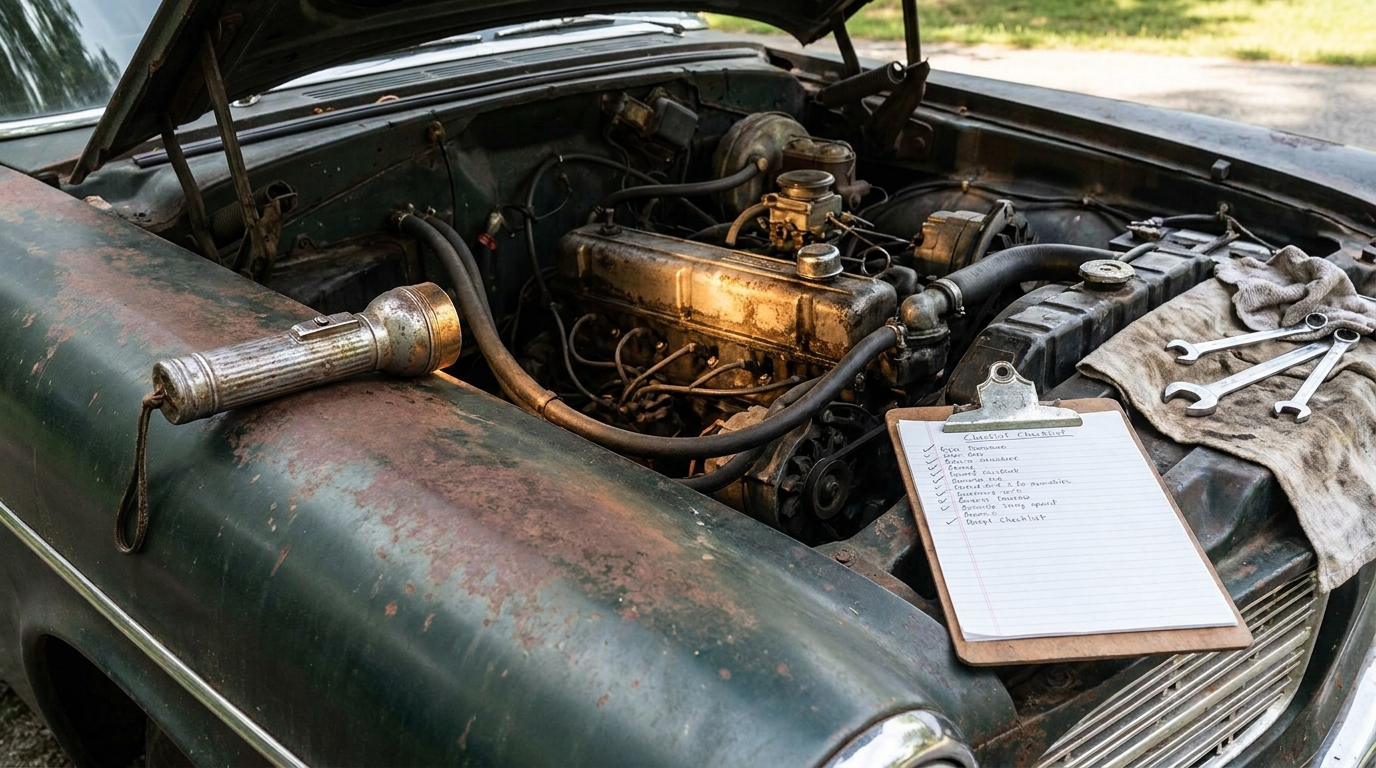
Families importing a car from outside the EU consistently describe underestimating how much documentation the Einzelabnahme actually requires, particularly technical reports that sometimes have to be specifically requested from the vehicle’s original manufacturer, which can itself take real time to arrange, worth starting well before you actually need the car on the road.
The sequencing, Einzelabnahme first, then registration, and address registration before either, comes up repeatedly as the detail that trips people up when they try to move faster by skipping ahead, the practical lesson people land on is treating this as a genuinely sequential process rather than something where steps can be parallelized.
Step by Step
- Check whether your vehicle has a valid COC document, if it does and it’s from within the EU, you likely don’t need an Einzelabnahme at all.
- If your car is from outside the EU, confirm you’ll need an Einzelabnahme and book an appointment with TÜV, DEKRA, GTÜ, or KÜS.
- Gather your vehicle’s registration papers and any existing inspection or technical reports before the appointment, and check early whether you’ll need additional documentation from the manufacturer.
- Budget realistically for the inspection cost, roughly 50-500 euros for simpler cases, 300-800 euros for a full non-EU import.
- Make sure your Munich Hauptwohnsitz (address registration) is already established before attempting registration at the KVR Zulassungsstelle, and only proceed to registration after the Einzelabnahme is fully complete.
Compliance Note
This page explains the general process for importing and registering a car in Munich, but exact requirements, costs, and documentation can vary by vehicle and change over time. For your specific vehicle, confirm current requirements directly with an authorized inspection body (TÜV, DEKRA, GTÜ, or KÜS) and Munich’s KVR Zulassungsstelle.
FAQ & Common Pitfalls
Our car is from an EU country, do we still need an Einzelabnahme?
Generally no, if your car came with a valid COC (Certificate of Conformity) confirming EU type approval, that document is typically sufficient to move directly to registration without the individual technical inspection. Einzelabnahme specifically exists to fill the gap for vehicles that don't have that EU-standard certification in the first place, which is the situation for genuinely non-EU imports.
What exactly counts as a non-EU country for this purpose?
The rule targets vehicles built to standards outside the EU's own type-approval framework, commonly cited examples include the US, Japan, and Switzerland, any vehicle without a COC document falls into this category regardless of the specific country of origin. If you're unsure whether your specific vehicle has valid EU type approval, checking directly with an inspection body like TÜV or DEKRA before assuming either way is worth doing.
Can we register the car before the Einzelabnahme is done, and sort out the inspection afterward?
No, the sequencing genuinely matters here. The Einzelabnahme has to be completed first, with the results entered into the vehicle's registration paperwork, before the Zulassungsstelle will register the vehicle. Attempting registration first isn't a shortcut, the inspection step is a prerequisite, not something that can be done in parallel or afterward.