
Your Heating Meter Was Broken or Misread: You Genuinely Still Have Rights
If your Wärmemengenzähler, the meter that measures your actual heat consumption, was broken or misread, your heating cost statement (Heizkostenabrechnung) doesn't just get to guess without limits, there's a real, structured process behind it. A defective meter genuinely does allow your landlord to estimate your consumption instead of measuring it directly, this is legally permitted, but it's not an unconditional free pass, the estimate has to be plausible and reasonably grounded. Reading errors happen through both manual and electronic meter systems, transposed digits in a manual reading or a technical transmission glitch in an electronic one are both real, documented failure modes. If you spot an error or find an estimate genuinely implausible, you have a real, specific window to act: you can file a formal objection (Widerspruch) with your landlord within twelve months of receiving the statement. You also have a real right worth using: you're entitled to inspect the actual documentation used to prepare the heating cost statement, including the meter reading records (Ableseprotokolle) for other units in the building, not just your own. Courts have specifically confirmed that a genuine reading error, or an accidentally skipped reading that can no longer be corrected afterward, is itself a valid reason for the landlord to use an estimate instead.
The Official Rule
A heating bill that looks off doesn’t have to be accepted at face value, there’s a real, structured set of rights behind challenging it, and understanding both the estimation rules and your objection window changes how you approach a bill that doesn’t seem right.
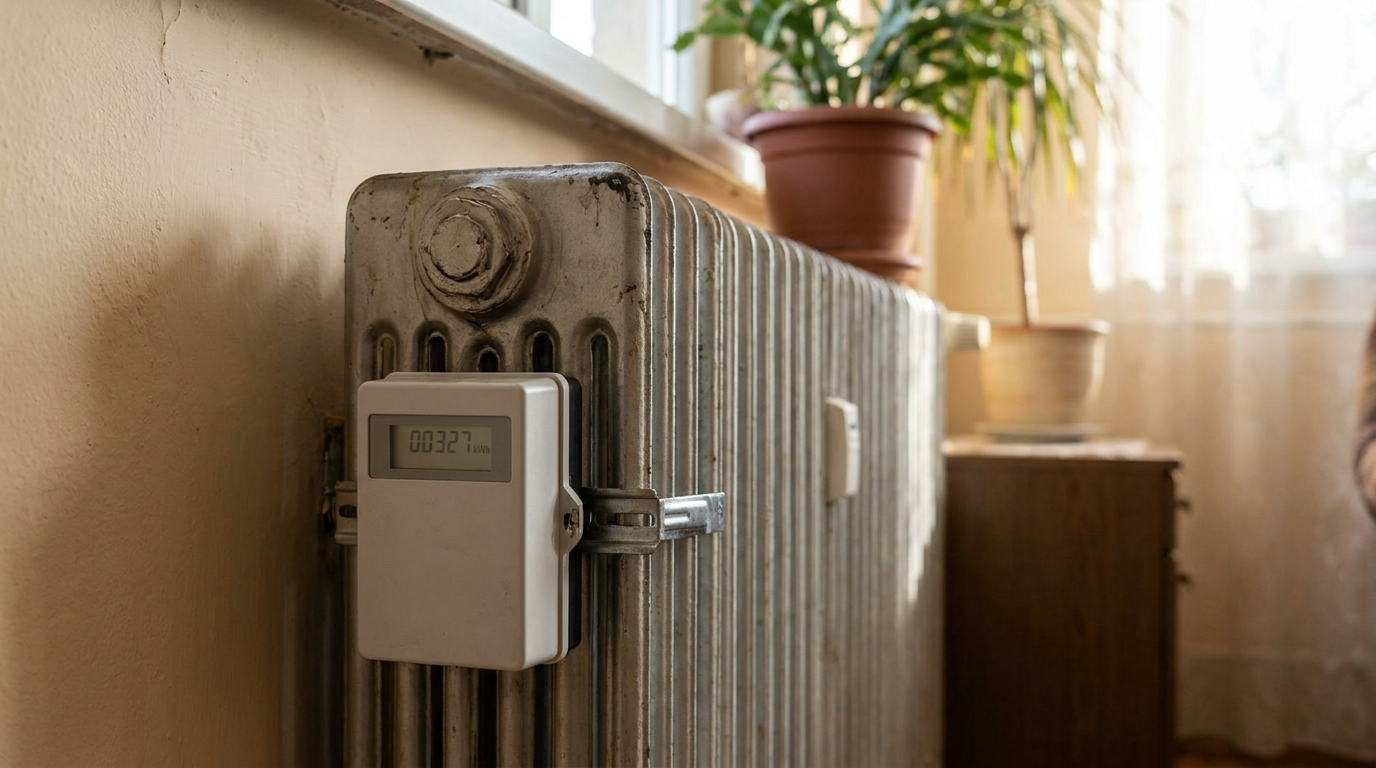
If your Wärmemengenzähler, the meter measuring your actual heat consumption, was genuinely broken, your landlord is legally allowed to estimate your consumption instead of measuring it directly. This is a real, permitted practice, not a workaround your landlord is quietly getting away with, a defective meter is specifically recognized as a valid reason to estimate.
| Situation | What applies |
|---|---|
| Meter genuinely broken | Estimation is legally permitted, but must be plausible |
| Manual reading error (transposed digits) | A recognized, real failure mode, valid reason to estimate |
| Electronic reading error (transmission glitch) | Also a recognized, real failure mode |
| You dispute the statement | 12 months from receipt to file a formal Widerspruch |
| You want to verify the numbers | Right to inspect documentation, including other units' records |
Allowed doesn’t mean unlimited, though, and this distinction genuinely matters. An estimate has to be plausible and reasonably grounded rather than an arbitrary figure your landlord can simply assert. If an estimated consumption figure looks genuinely out of line with your typical usage in other years, that’s worth questioning rather than accepting.
Reading errors themselves are a real, documented category of problem, and they happen through both manual and electronic systems. With manual readings, transposed digits or simple misreads are a genuine, recognized failure mode. With electronic systems, technical transmission glitches can produce comparably wrong figures. Neither system is immune to this kind of error, and it’s worth checking your statement with that in mind rather than assuming an electronic reading is automatically more reliable.
If you spot an error or find an estimate genuinely implausible, you have a real, specific window to act: twelve months from receiving the statement to file a formal objection (Widerspruch) with your landlord. This is a genuine deadline worth tracking actively, not an informal suggestion, letting a heating bill sit unreviewed for months narrows your actual options if something does turn out to be wrong.
A real, practical right worth actually using: you’re entitled to inspect the documentation your landlord used to prepare the statement, including the meter reading records (Ableseprotokolle) for other units in the building, not just your own. This lets you genuinely check for inconsistencies across the building rather than relying solely on your own unit’s numbers in isolation. Courts have specifically confirmed that a genuine reading error, or an accidentally skipped reading that can no longer be corrected afterward, is itself a valid, recognized reason for a landlord to fall back on an estimate.
What Real People Say
Tenants who successfully challenged an inflated heating bill consistently describe the documentation inspection right as the tool that actually made the difference, comparing their own unit’s figures against other units’ recorded readings often revealed the specific inconsistency that supported a real, well-grounded objection rather than a vague complaint.
Consumer protection resources describing this area consistently emphasize reviewing a heating statement promptly rather than setting it aside, since the twelve-month objection window, while genuinely generous, still requires you to actually notice a problem in time to act on it.
Step by Step
- Review your Heizkostenabrechnung promptly after it arrives, rather than setting it aside, to keep your full 12-month objection window available.
- Compare the estimated or measured consumption against your typical usage in prior years, a genuinely implausible figure is worth questioning.
- If you suspect an error, request the documentation used to prepare the statement, including reading records for other units in the building.
- If you find a real basis to dispute the figure, file a formal Widerspruch with your landlord within 12 months of receiving the statement.
- If the dispute isn’t resolved directly with your landlord, consult a Mietrecht attorney or your local Mieterverein for next steps.
Compliance Note
This page explains the general framework around heating cost meter errors and your objection rights, but this is not legal advice, and specific disputes can depend on individual circumstances. For your specific situation, consult a Mietrecht (tenancy law) attorney or your local Mieterverein.
FAQ & Common Pitfalls
Our heating bill this year is way higher than usual and we suspect the meter reading was wrong. What can we actually do?
You genuinely have real options here, and the first one is often the most useful: you're entitled to inspect the documentation used to prepare the statement, including meter reading records for other units in the building, which can help you spot whether something looks genuinely inconsistent. If you find a real basis to dispute the figure, you can file a formal Widerspruch with your landlord within twelve months of receiving the statement.
Our meter was apparently broken for part of the year and our landlord estimated our usage instead. Is that actually allowed?
Yes, genuinely, this is legally permitted, a defective meter is a valid reason to estimate consumption rather than measure it directly. That said, allowed doesn't mean unlimited, the estimate still has to be plausible and reasonably grounded rather than an arbitrary figure, so it's worth checking whether the estimated consumption actually looks reasonable compared to your typical usage in other years.
How long do we actually have to challenge a heating bill we think is wrong?
You have a real, specific window: twelve months from receiving the statement to file a formal objection (Widerspruch) with your landlord. This isn't an informal, whenever-you-get-around-to-it suggestion, it's the actual deadline worth tracking if you suspect an error, so it's genuinely worth reviewing a heating statement promptly after it arrives rather than setting it aside.