
Got a Rent Increase Letter in Munich? Here's When You Actually Have to Say Yes
A rent increase letter (Mieterhöhung) during an existing tenancy isn't automatically valid just because your landlord sent it. Under § 558 BGB, they can only request your consent to raise the rent up to the local comparative rent, and only if your rent has already stayed unchanged for at least 15 months, and only with a real justification behind it, three comparable apartments, an official expert report, or the Munich Mietspiegel. Even a fully justified increase still has to respect the Kappungsgrenze, in Munich this caps any rent increase at 15 percent over a rolling three years, tighter than the national 20 percent default. You then have until the end of the second calendar month after you received the letter to respond, and if you don't consent, your landlord has to actually sue for it within three further months or the whole increase attempt simply lapses. The German Tenants' Association estimates that roughly one in three rent increase demands turns out to be unjustified, formally incorrect, or unlawful in some way, which is exactly why checking before paying is worth the effort.
The Official Rule
A rent increase letter landing in your mailbox can feel like something you’re just supposed to sign and return. It isn’t. German law puts real, specific conditions on when a landlord can raise the rent on an existing tenancy, and knowing them turns a stressful letter into a checklist.
Under § 558 BGB, your landlord can only request your consent to raise the rent up to the local comparative rent, the ortsübliche Vergleichsmiete, and only once your current rent has already stayed unchanged for at least 15 months. The request also has to carry a real justification, not just an assertion, one of three: citing three comparable apartments, an official expert appraisal (Sachverständigengutachten), or Munich’s own Mietspiegel.
| What to check | Why it matters |
|---|---|
| Kappungsgrenze exceeded | In Munich, no increase may exceed 15% over a rolling 3 years, regardless of justification |
| Missing or vague justification | No comparable apartments, expert report, or Mietspiegel citation makes the request formally invalid |
| Wrong Mietspiegel category | Your apartment's size, age, or location bracket may have been misapplied |
| 15-month rule not met | Rent that changed or was set less than 15 months ago can't be raised again yet |
Even a fully, correctly justified increase still has to respect Munich’s Kappungsgrenze. This caps any rent increase, however well documented, at 15 percent over a rolling three year period, tighter than the 20 percent that applies as the national default. If the math your landlord is proposing pushes past that 15 percent ceiling, that portion of the increase is invalid regardless of what the Mietspiegel says.
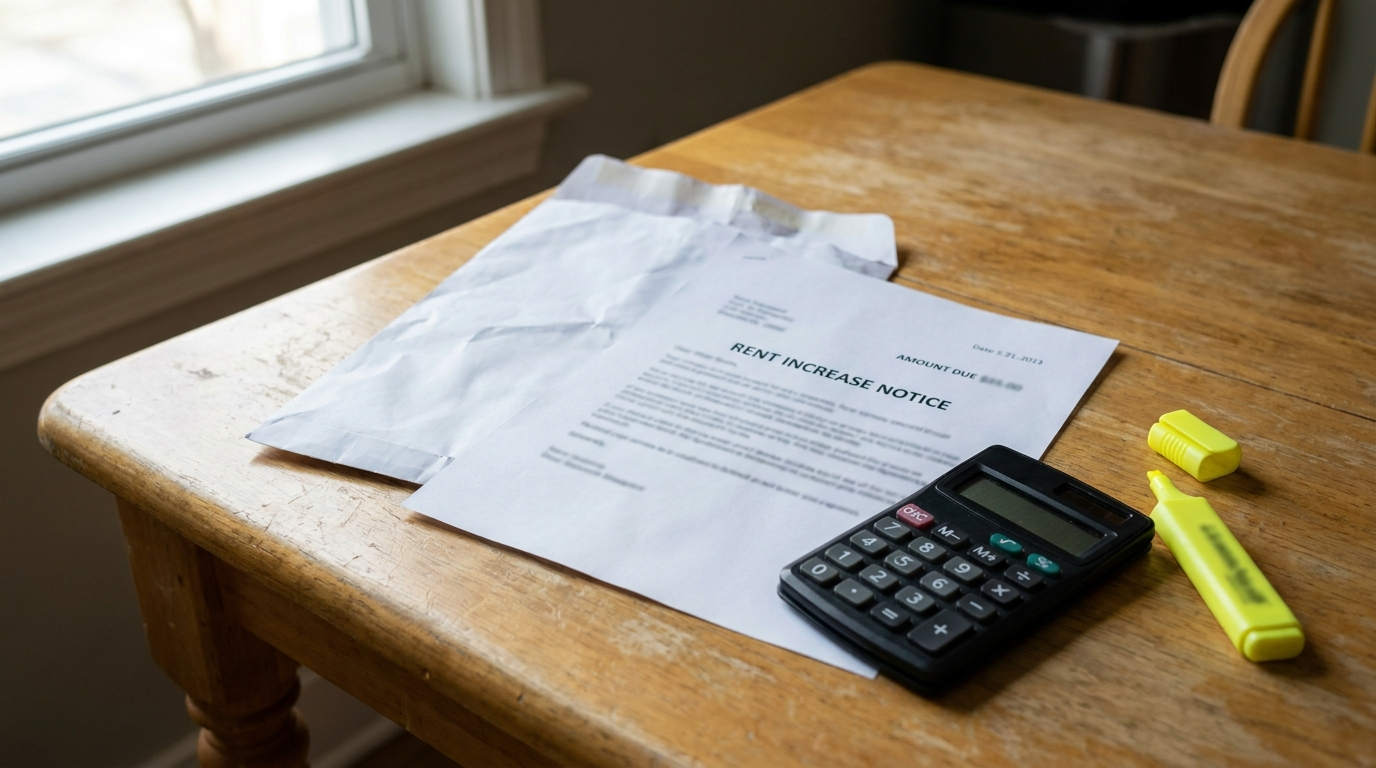
You then have a real, fixed deadline to respond. Under § 558b BGB, you have until the end of the second calendar month after you received the request to give or withhold your consent. If you say nothing and don’t consent, the pressure is actually on your landlord, they have to file a lawsuit seeking your consent within three further months, and if they let that window pass, the entire increase attempt simply lapses without you having to do anything further.
None of this means every letter is wrong, but a genuinely significant share of them are. The Deutscher Mieterbund, Germany’s national tenants’ association, estimates that roughly one in three rent increase demands turns out to be unjustified, formally incorrect, or unlawful in some way. That’s exactly why checking the specifics, rather than assuming the letter must be correct simply because it arrived on official-looking paper, is worth doing before you sign anything.
What Real People Say
Tenants who’ve actually pushed back on a rent increase describe the Mietspiegel classification as the detail most likely to be wrong, an apartment placed in a slightly newer age bracket or a slightly larger size category than it actually falls into, which shifts the whole calculation. Several mention that a tenant association reviewed the letter in under a week and found the error themselves.
People who initially planned to just pay the higher rent rather than deal with the paperwork also describe genuine relief once they realized the Kappungsgrenze applies automatically, regardless of the Mietspiegel math, so even a technically well-documented letter can still be reduced if it crosses that 15 percent line.
Step by Step
- Check whether your current rent has actually been unchanged for at least 15 months before assuming the request is even timely.
- Identify which justification your landlord is using, comparable apartments, an expert report, or the Mietspiegel, and whether it’s actually attached or cited specifically.
- Calculate whether the proposed increase exceeds 15 percent over the last three years, Munich’s Kappungsgrenze.
- If anything looks off, have a tenant association or lawyer check the Mietspiegel classification before you respond.
- Respond in writing before the end of the second calendar month after receipt, whether that’s consent, a partial consent, or a reasoned objection.
Compliance Note
This page explains the general rules around Mieterhöhung requests, the Kappungsgrenze, and the Mietspiegel in Munich, but this is not legal advice, and the correct comparative rent for your specific apartment can only be confirmed through the official Munich Mietspiegel or a tenant association.
FAQ & Common Pitfalls
Our landlord sent a rent increase letter citing the Mietspiegel, but didn't attach anything else. Is that enough?
It genuinely can be, citing the Munich Mietspiegel is one of the three recognized justifications under § 558 BGB, alongside comparable apartments or an expert report. What's worth checking carefully is whether your specific apartment was placed in the right Mietspiegel category, since a wrong classification is one of the most common reasons these letters turn out to be miscalculated.
The increase they're asking for would push our rent up more than 15 percent compared to three years ago. Can they actually do that?
No, not in Munich. The Kappungsgrenze caps any rent increase at 15 percent over a rolling three year period here, tighter than the national 20 percent default, and this cap applies regardless of how well justified the increase otherwise is. If the math pushes past that ceiling, you have real grounds to object to the portion above it.
We don't want to just ignore the letter, but we're also not sure we should simply agree. What's the actual deadline?
You have until the end of the second calendar month after you received the request to give or withhold consent. If you don't consent within that window, the ball is genuinely in your landlord's court, they have to file a lawsuit for your consent within three further months, and if they don't, the entire increase attempt simply lapses on its own.