The Legal Limit on Bounced Direct Debit Fees, and the Double-Billing Trick
When a direct debit (Lastschrift) bounces because an account didn't have enough funds, German banks typically charge the account holder somewhere around 3 to 5 euros in real processing costs. A landlord, Kita, or company that gets hit with that fee can only pass on the actual amount its own bank charged it, not a rounded-up, padded, or invented administrative fee on top. Courts have repeatedly struck down inflated flat fees as unlawful, a 2016 Oberlandesgericht Koblenz ruling rejected a 7.30-euro telecom fee for lacking proof of real cost, a Landgericht Hamburg ruling rejected a mobile provider's 15-euro fee, and a Schleswig-Holstein appeals court rejected even a flat 10-euro charge. The one combination to watch for specifically is double-billing, a company charging you both its own bank's fee and a separate, additional processing surcharge for the same bounced payment, which consumer protection bodies say isn't allowed.
The Rule Itself
A bounced direct debit, a Rücklastschrift, is one of the more common small financial stumbles a family runs into in Germany, a Kita fee scheduled before the salary lands, a rent payment that clashes with another bill on the same date, a subscription nobody remembered to cancel. What often stings more than the missed payment itself is the fee that follows it, and those fees vary wildly from a few euros to genuinely startling numbers.
The legal principle is simple, even though the numbers in practice aren’t. A bank charges the creditor (your landlord, your Kita, a company) a real, actual cost when a direct debit bounces, and consumer finance sources put that real cost at roughly 3 to 5 euros in most cases. The creditor is then allowed to pass that specific, actual cost on to you, but nothing more. It cannot round it up, apply a standardized higher flat fee regardless of what it actually paid, or invent an additional charge to cover its own staff time or systems.
| Fee charged | Who charged it | Court and outcome |
|---|---|---|
| ~3 to 5 EUR | Typical real bank-side processing cost | Generally accepted as the lawful baseline |
| 7.30 EUR | Telecom provider (flat fee) | OLG Koblenz, 2016: rejected, no proof of actual cost |
| 15 EUR | Mobile phone provider (flat fee) | Landgericht Hamburg: rejected as excessive |
| 10 EUR | Flat fee, general terms and conditions | Schleswig-Holstein appeals court: rejected, even as a round number |
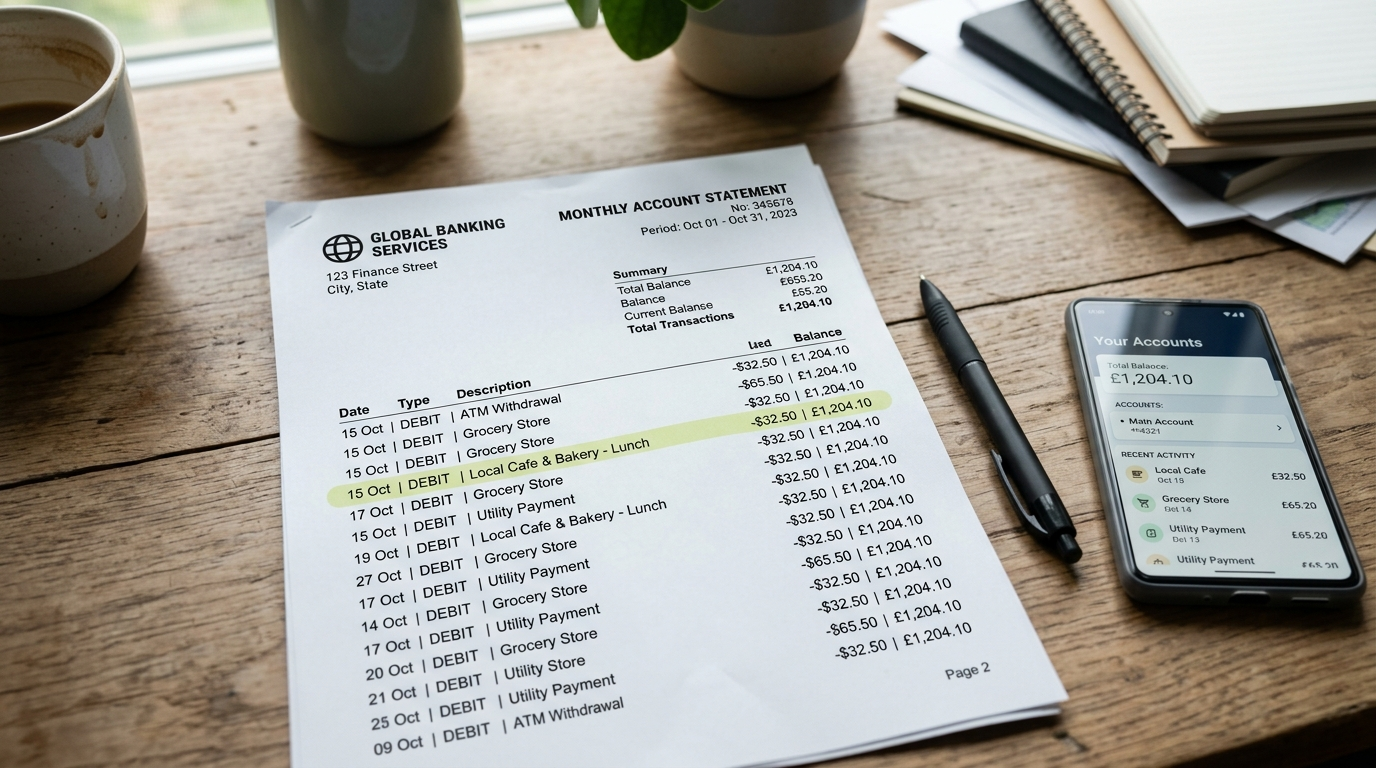
The double-billing trap is the specific pattern worth watching for. Verbraucherzentrale guidance is explicit that a creditor may only pass through the costs it was actually charged by its own bank, nothing more, meaning it cannot separately bill you both that bank fee and its own additional handling or processing charge for the identical bounce. If an invoice from a Kita, landlord, or company itemizes two different line items for the same failed payment, that combination is itself worth questioning.
What Real People Say
Stiftung Warentest’s own reporting on this topic makes a point that’s genuinely useful for anyone dealing with an inflated fee: courts have consistently sided with consumers when a company can’t produce evidence of its actual cost, and Warentest’s own advice is that anyone who has paid an unjustified notification or handling fee in the past should ask for it back, citing the relevant ruling directly, rather than assuming it’s too late or too small an amount to bother with.
Legal practice guidance from IT-Recht Kanzlei adds a practical detail worth knowing before a dispute: the burden sits with the company to show its actual loss, not with you to prove the fee is wrong. A short written request asking the creditor to itemize exactly what its own bank charged it is often enough to either get the fee reduced on the spot or expose that no such itemization exists.
Step by Step
- Check the fee against the roughly 3 to 5 euro range that reflects a bank’s typical real processing cost for a bounced direct debit.
- Look for double-billing specifically, a separate bank fee line item AND a separate company handling fee for the same single bounce is the clearest sign something’s wrong.
- Ask the creditor in writing to itemize the actual cost it was charged, the burden of proof sits with them, not you.
- If the fee is a flat, round number applied regardless of circumstance (10, 15, 50 euros), treat that as a strong signal it hasn’t been calculated from real costs.
- Cite the pattern of court rulings if you push back, you don’t need your own lawsuit, a clear written objection referencing how courts have ruled on similar flat fees is often enough.
- Fix the underlying cause too, if a scheduled debit date consistently clashes with when your income actually lands, ask the creditor to move the date, this prevents the whole situation from repeating.
Compliance Note
This page explains the general legal principle behind Rücklastschrift fees under German consumer and banking law, current as of mid-2026, based on the pattern of specific court rulings referenced above. It is not legal advice, and the exact amount a specific fee should be depends on the actual costs the creditor in question genuinely incurred. For a live dispute over a specific fee, contact a Verbraucherzentrale or a lawyer specializing in Bank- und Kapitalmarktrecht.
FAQ & Common Pitfalls
My Kita or landlord charged me 15 euros for a single bounced direct debit. Is that legal?
Almost certainly not, based on the pattern in German court rulings. Courts have repeatedly rejected flat fees in this range, a Hamburg court struck down a very similar 15-euro mobile provider fee specifically, on the grounds that it exceeded the real, demonstrable cost the company itself incurred. Ask the creditor in writing to itemize the actual bank charge it paid, if it can't or won't, you have a strong basis to dispute the amount.
What's the actual real cost a bank charges for processing a bounced direct debit?
Consumer finance sources put the typical real cost at roughly 3 to 5 euros, the fee a bank itself deducts from the creditor's account when a direct debit fails to collect. Anything a creditor passes on to you should reflect that real figure, not a rounded-up or standardized higher number applied regardless of what actually happened.
Can a company charge me its bank fee and then also add its own separate processing or admin fee?
No. Consumer protection guidance is direct on this point: a creditor can only pass on the costs it actually incurred from its own bank, it cannot add a further handling fee, staff-time charge, or IT-cost surcharge on top for the same bounced transaction. If your bill itemizes two separate charges for one bounce, that combination itself is a red flag worth challenging.
Is this the same issue as a late payment penalty or interest?
No, and it's worth keeping the two apart when you push back. This page is specifically about the mechanical cost of the payment failing to go through, the fee a bank charges for processing the bounce itself. Separate late-payment interest, reminder fees, or contractual penalties for paying late are a different legal question with their own rules, and a creditor is allowed to charge some of those on top, just not an inflated bounce fee dressed up as one of them.