
In Cologne, Which Office Apostilles Your Document Depends Entirely on Who Issued It
Köln genuinely splits apostille duty across separate offices, and which one you need depends entirely on who issued your document, not on where you happen to live. Notarial documents from a notary based within the Landgericht Köln district go through the Landgericht Köln's own Apostillenstelle at Luxemburger Str. 101, which charges a flat 25 euros per document and typically finishes internal processing in about 2 business days, though the decision is only ever sent by post, never handed over on a visit. Civil status certificates from a Standesamt, registration and residency documents, and school or university records issued within the Cologne administrative district instead go through the Bezirksregierung Köln, at a genuinely different fee structure: 25 to 50 euros for private purposes or 40 to 70 euros for commercial ones, plus an extra 10 euros if the document is being mailed abroad, and processing that can run up to 8 weeks once you factor in international post. A third, narrower case exists too: the Amtsgericht Köln's own president certifies the court's own judgments, decisions, probate certificates, and register extracts, a separate lane from both of the above. Sending a document to the wrong office wastes a trip either way, since none of the three processes another's document type, and the Bezirksregierung Köln specifically cannot certify anything issued outside its own administrative district or any foreign or private document.
The Official Rule
Köln doesn’t run one single apostille desk, it splits the responsibility across separate offices depending entirely on who issued the document in the first place, not on which part of the city you live in.
| Document type | Responsible office | Fee | Processing time |
|---|---|---|---|
| Notarial deed from a Köln-district notary | Landgericht Köln, Apostillenstelle | 25 euros flat | ~2 business days internal (plus post) |
| Civil status, registration, school/university documents (issued in the Cologne administrative district) | Bezirksregierung Köln, Dezernat 21 | 25-50 euros private, 40-70 euros commercial, +10 euros if mailed abroad | Up to 8 weeks for shipments abroad |
| The Amtsgericht Köln's own judgments, decisions, probate certificates, register extracts | President of the Amtsgericht Köln | Varies by document | Varies by document |
If a notary based in the Landgericht Köln district issued or certified your document, the Landgericht Köln’s own Apostillenstelle, at Luxemburger Str. 101, 50939 Köln, is the office you need. The application generally happens by mail, using a downloadable form, and the fee is a flat 25 euros per document under item 1310 of the court’s fee schedule. Pure processing time, not counting the post, is usually around two business days, but the actual decision, the apostille or legalisation itself, is only ever issued by mail, never handed over during a visit. An in-person appointment is possible in special exceptional cases, mainly if you need help filling out the form, during office hours Monday to Friday, 8:00 to 12:00.
Civil status certificates, registration documents, and school or university records issued within the Cologne administrative district instead go to a genuinely different office: the Bezirksregierung Köln. This covers Standesamtsurkunden, birth, marriage, and death certificates, marriage eligibility certificates, plus registration and residency documents and educational records, all issued by cities and municipalities within the district. The fee structure here is different from the Landgericht’s flat rate: 25 to 50 euros for a private purpose, 40 to 70 euros for a commercial one, with an extra 10 euros if the document needs to be mailed abroad rather than picked up. Processing that includes shipping the document internationally can run up to 8 weeks, a genuinely longer timeline than the Landgericht’s few days, so this is not a step to leave until shortly before a deadline.
Landgericht Köln, Apostillenstelle, Luxemburger Str. 101, 50939 Köln. Applications are generally handled by post; in-person visits are possible only in special cases, Monday to Friday, 8:00 to 12:00.
A genuinely important limit worth understanding before you mail anything: the Bezirksregierung Köln can generally only certify public documents that were actually issued within its own administrative district. Foreign documents, private documents, and documents issued outside the district aren’t something it processes, if your document didn’t originate there, you need the equivalent office wherever it actually came from. In-person contact at the Bezirksregierung is by appointment only, Monday, Wednesday, and Thursday, 08:30 to 12:00 and 13:30 to 14:30, and email is the practical channel to start with: apostille@bezreg-koeln.nrw.de.
A third, narrower case exists alongside the two main paths: the Amtsgericht Köln itself, through its own president, certifies that specific court’s own judgments, decisions, probate certificates (Erbscheine), and register extracts. This is a separate lane from both the Landgericht’s notarial-document process and the Bezirksregierung’s civil-status process, relevant specifically if the document in question is the Amtsgericht Köln’s own court output rather than something a notary or a Standesamt issued.
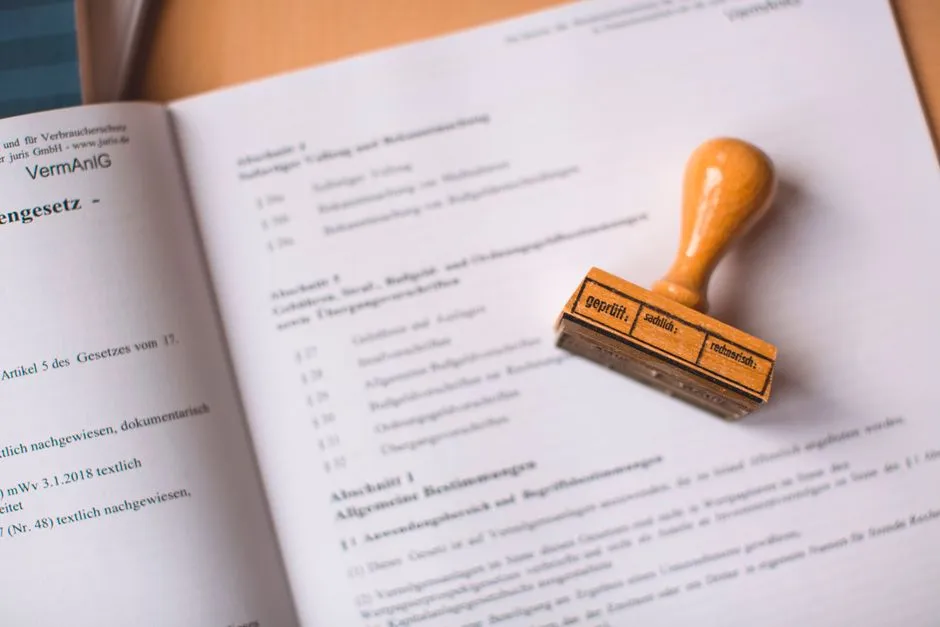
Photo by Markus Spiske on Pexels
What Real People Say
The recurring theme among newcomers dealing with Köln paperwork is the same one that shows up across Germany’s apostille system generally: the office responsible isn’t obvious from the document type alone, it’s the issuing authority that decides, and guessing wrong costs a mailing cycle you didn’t need to lose. Families translating a foreign birth certificate for use in Germany describe a related but separate confusion, that process runs through a certified translator and potentially the foreign country’s own apostille authority, not through Köln’s offices at all, since those only apostille documents actually issued within Germany.
People who’ve been through the Bezirksregierung Köln route in particular mention the 8-week timeline for international shipping as the detail that catches them out, it’s easy to assume an administrative certification will move at the same pace as the Landgericht’s roughly 2-day internal processing, and budgeting the same short window for both offices is a genuinely common mistake worth avoiding from the start.
Step by Step
- Identify who actually issued or certified your document first. A notary based in the Landgericht Köln district, a Standesamt or municipal office within the Cologne administrative district, or the Amtsgericht Köln itself, each routes to a different office entirely.
- For a notarial document, download the Landgericht Köln’s application form and mail it to the Apostillenstelle at Luxemburger Str. 101, budgeting the flat 25 euro fee and a few business days of internal processing plus post.
- For a civil status, registration, school, or university document, contact the Bezirksregierung Köln by email at apostille@bezreg-koeln.nrw.de to confirm current requirements before sending anything.
- Budget realistically for the Bezirksregierung’s timeline, up to 8 weeks if the document is going abroad, rather than assuming it moves as quickly as a court certification.
- Confirm your document was actually issued within the Cologne administrative district before applying to the Bezirksregierung Köln, since it cannot certify documents from elsewhere, foreign documents, or private documents.
- If your document is specifically an Amtsgericht Köln judgment, decision, or probate certificate, contact the Amtsgericht directly rather than either of the other two offices.
Compliance Note
This page explains the general framework for apostille and legalisation of documents in Köln, current as of mid-2026, but it is not legal advice. Fees, processing times, and jurisdiction rules can change, and cross-border document requirements can vary by destination country. For your specific document, confirm current requirements directly with the Landgericht Köln, the Bezirksregierung Köln, or the Amtsgericht Köln before applying.
FAQ & Common Pitfalls
My document was issued by a Standesamt in Köln. Which office do I need?
The Bezirksregierung Köln, not the Landgericht. Civil status certificates, birth, marriage, and death certificates, along with school and university documents and registration or residency certificates issued within the Cologne administrative district, all go through the Bezirksregierung's Dezernat 21 rather than the courts. Budget for 25 to 50 euros if it's for a private purpose, more if it's commercial, and up to 8 weeks if you're sending it abroad.
My document is a notarial deed. Where does that go?
To the Landgericht Köln's Apostillenstelle at Luxemburger Str. 101, as long as the notary who issued it is based within the Landgericht Köln district. The fee is a flat 25 euros, and pure internal processing typically takes about 2 business days, though the decision itself is only ever sent by post, an in-person visit is possible only in special cases where you genuinely need help filling out the application form, during office hours Monday to Friday, 8:00 to 12:00.
Can Bezirksregierung Köln apostille a document that was issued somewhere else in Germany, or a document from abroad?
No, and this is a genuinely important limit to know before you mail anything. The Bezirksregierung Köln can generally only certify public documents that were actually issued within its own administrative district. Foreign documents, private documents, and documents issued outside the Cologne administrative district aren't something it certifies, you'd need the equivalent office wherever the document actually originated.
What about a court judgment or a probate certificate from an Amtsgericht in Köln?
That's a third, separate lane again: the president of the Amtsgericht Köln itself is responsible for certifying that specific court's own judgments, decisions, probate certificates (Erbscheine), and register extracts, distinct from both the Landgericht's notarial-document process and the Bezirksregierung's civil-status process. If you're not sure which of the three applies to your specific document, it's worth confirming with the issuing office directly rather than guessing and mailing it to the wrong one.